
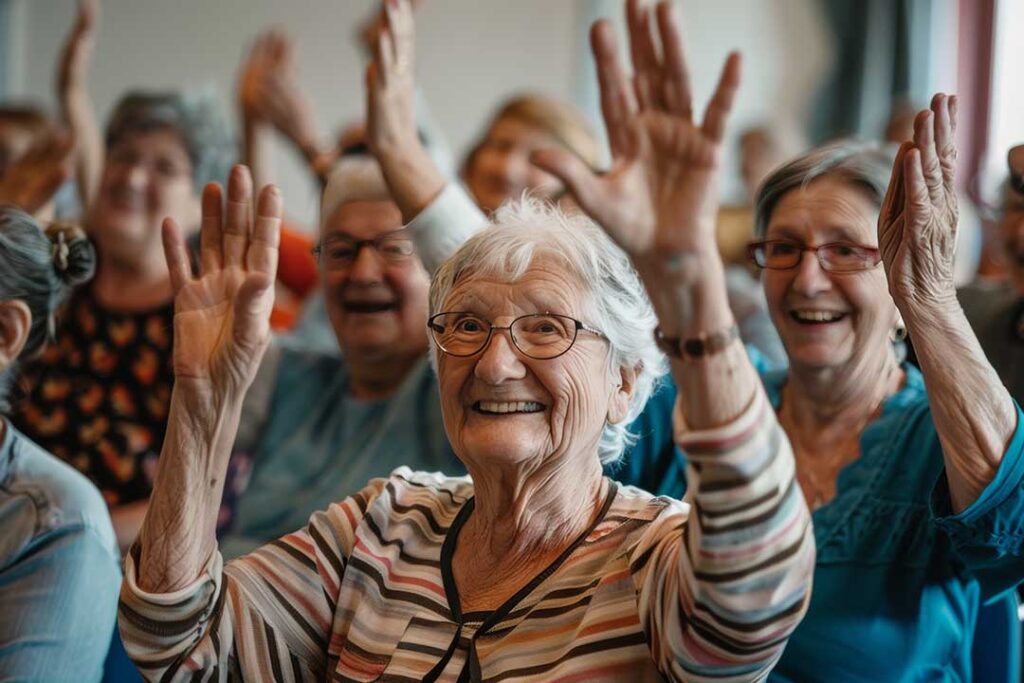
What Are Intergenerational Activities in Assisted Living?
Intergenerational activities bring together people from different age groups—most often older adults and younger generations, such as children, teenagers, or young adults—for shared experiences and projects. In assisted living communities, these interactions can happen through planned programs, social visits, art workshops, gardening, or local school collaborations. The goal is to build meaningful connections, encourage learning, and promote a sense of community among all participants.
Why Are Intergenerational Activities Valued by Residents?
Residents often ask if interacting with younger people really makes a difference in their daily lives. Research and local experience both show these programs offer genuine benefits. Many older adults express a sense of purpose, feel more socially connected, and enjoy recalling memories by sharing them with curious younger listeners. For children and teens, hearing life stories firsthand and building friendships with older neighbors helps break down age-related stereotypes and encourages respect.
Some residents worry that visits from younger children might be disruptive or tiring. In reality, most activities are structured with flexibility in mind and tailored to each group’s needs and preferences. Simple arts and crafts, storytelling hours, or cooking demonstrations allow participants to engage at their own pace. There’s no pressure to take part if someone prefers quieter time.
How Does This Benefit Emotional and Mental Health?
Shared moments across generations can reduce feelings of loneliness and isolation, especially in a small community like Lansford, PA where some families live far apart. For many residents, seeing children’s energy lifts their spirits and gives their days a renewed focus. Conversations with younger counterparts can unlock memories and spark laughter, which often boosts mood and reduces anxiety.
Studies have found that regular intergenerational contact is linked with:
- Less depression and better self-esteem
- A more positive outlook on aging
- Stronger sense of belonging to the local community
Simple activities—like board games with middle schoolers or collaborative artwork—offer gentle cognitive stimulation while making social interaction enjoyable, rather than forced or uncomfortable.
What Practical Skills and Wisdom are Shared?
Many residents in the area have skills or stories that younger people rarely encounter elsewhere. Whether it’s teaching card games, explaining the history of local landmarks, or showing how to care for a garden plant, these transfers of knowledge are valuable on both sides. Young people learn practical skills and local history, while residents experience pride in sharing what they know.
Popular activities in assisted living often involve:
- Storytelling or oral history recording projects
- Arts, crafts, and simple home repair workshops
- Holiday traditions, baking, or family recipes
- Gardening or small planting projects using raised beds or window boxes

Both older adults and younger visitors often mention how these activities feel like a “two-way street”—everyone leaves with something to share later.
Are There Social or Physical Benefits?
Intergenerational programs go beyond emotional wellbeing. Some activities promote gentle movement and physical engagement. For example, gardening alongside youth or walking together during organized events encourages light exercise suitable for the pace and stamina of older adults. Even hands-on crafts or dance sessions involve some physical action while centering on fun rather than exertion.
Socially, these programs are natural icebreakers. Residents build new friendships—not only with young visitors, but also with peers who enjoy the same activities. Staff often notice improved group morale following intergenerational visits, even among those who participate occasionally.
How Do Assisted Living Communities in Lansford Approach Intergenerational Programs?
Lansford’s small-town character, with its emphasis on neighborly connection and strong community ties, makes these activities a natural fit. Local schools or volunteer youth groups sometimes visit to read with residents, perform music, or assist with seasonal art projects. Many neighborhoods have multigenerational households, so residents are used to engaging across age groups.
Given the changing weather across the local seasons, some activities happen outdoors in warmer months—like gardening, short walks, or community clean-up days. In winter, assisted living staff may organize collaborative indoor projects such as baking, crafting, or storytelling circles. Residents often suggest and help shape what programs feel most welcoming and enjoyable.
What Concerns Are Common, and How Are They Addressed?
Safety and comfort matter. Some residents feel uneasy about large groups, fearing too much noise or movement. Skilled coordinators in assisted living know to keep groups small, schedule activities during comfortable hours, and match participants thoughtfully. Health considerations—including allergies, limited mobility, or memory conditions—are always taken into account, so everyone can participate safely if they choose.
A common misconception is that only outgoing residents benefit. In reality, even less social individuals often enjoy simply observing or listening to intergenerational activities, without pressure to join in. There are always quieter options for those who prefer them.
How Can Residents Share Feedback or Request Activities?
Residents are encouraged to talk with activity coordinators about what they’d enjoy or what might work better. Examples of suggestions include inviting local students for a poetry reading, setting up a shared gardening plot, or hosting a movie viewing with discussion. Community ideas and requests often lead to especially successful programs, since they reflect the interests of those who take part.
